
Part 9: The New Formation (2 of 2)
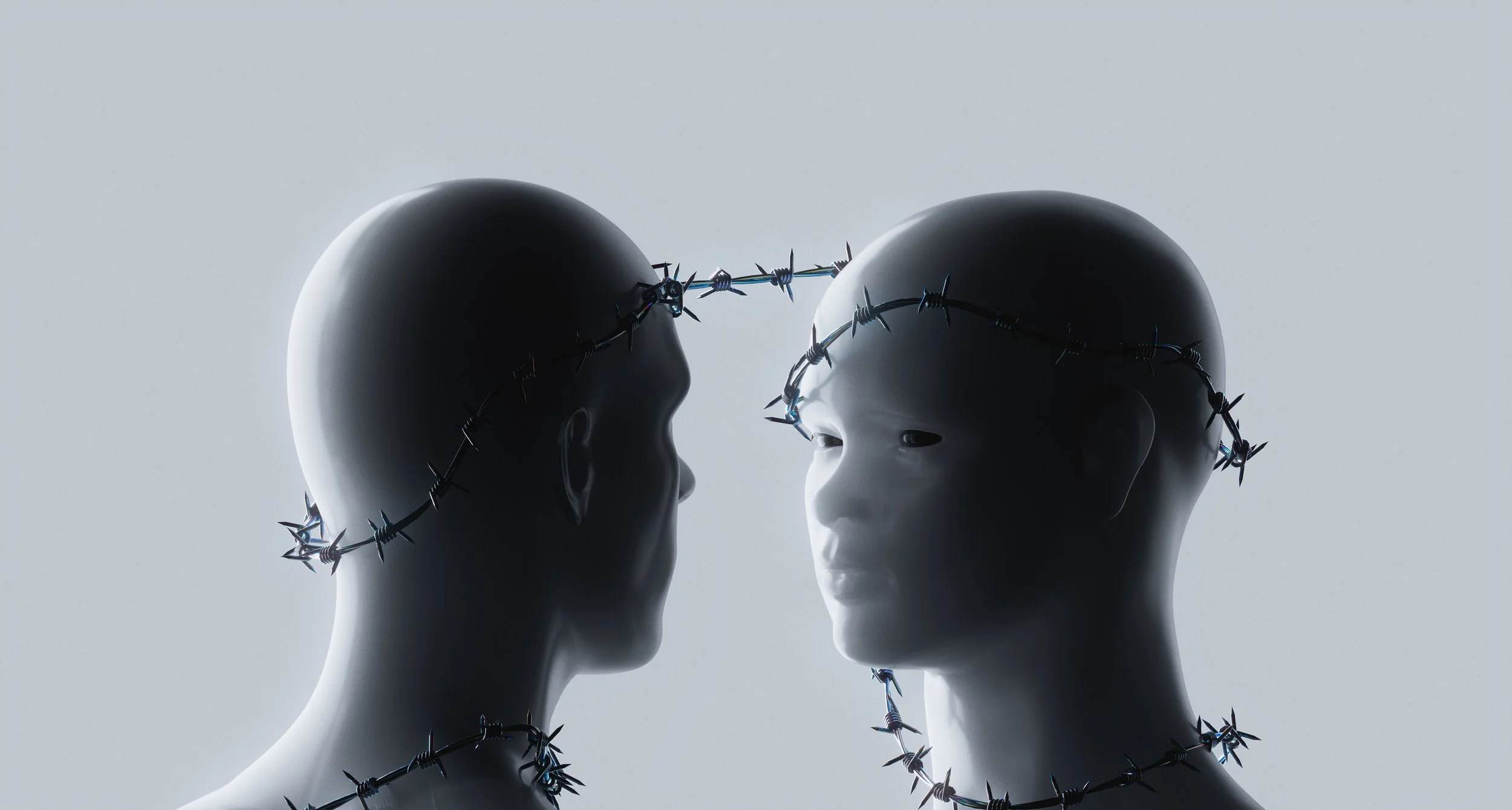
Outrage, Control, and Cultural Codependency
Outrage doesn’t just shape how we see others.
It reshapes how we understand ourselves.
And what we believe others owe us.
The Hidden Beliefs Behind Outrage
Underneath outrage culture is a set of beliefs. Rarely spoken. But deeply felt:
“My feelings are the most important part of me.”
“My feelings should govern my behavior… and yours.”
And if that’s true… something follows.
Emotional Authority Becomes Absolute
If my feelings are ultimate…
Then:
If I’m upset, something is wrong
If I’m deeply upset, something is very wrong
If I’m outraged… someone must be to blame
And not just blame. They must change.
“You Are Responsible for My Feelings”
This is where the shift becomes dangerous.
“You need to change… because I’m upset.”
This is no longer conviction. This is control.
And it’s subtle because it feels justified.
The Rise of Cultural Codependency
What used to be recognized as immaturity…is now normalized, even celebrated.
We’ve been discipled into a system where:
your emotional state becomes my responsibility
your reactions define my behavior
your outrage dictates my response
This is codependency at a cultural level.
From Two-Year-Old to Cultural Norm
There’s a place for this… in infancy.
A child says: “I’m upset. Fix it.” That’s appropriate at two years old.
But becoming mature means: “I am responsible for what I feel and how I express it.”
And somewhere along the way…we’ve reversed it.
We haven’t grown out of the two-year-old’s demands. We’ve just given them a platform, a hashtag, and a national audience.
A Culture That Cannot Relate
When feelings become absolute authority, something quietly breaks down.
We lose the ability to listen — really listen — without preparing our rebuttal. We lose the capacity to stay present with someone whose pain or perspective challenges our own. We lose the art of disagreeing without declaring war.
What we’re left with is a culture that is loud, reactive, and increasingly unable to share even a common language across the divide. We don’t just disagree. We can no longer imagine how anyone reasonable could see it differently.
And that is a profound and tragic loss.
What Scripture Says
It is precisely into this kind of culture that James writes — not as a distant observer, but as a shepherd in Jerusalem who watched communities fracture under the weight of unmanaged emotion:
“Be quick to hear, slow to speak, and slow to anger… for the anger of man does not produce the righteousness of God.” James 1:19-20.
Notice what he doesn’t say. He doesn’t say: don’t feel. He doesn’t say: suppress, manage, or perform calmly.
He says: slow down. Hear first. Speak second. Let anger arrive last — and even then, hold it carefully.
This is radically countercultural. And it is not a personality type. It is a formation goal.
Anchored, Not Numb
The life of God looks different from both outrage and numbness.
It is not the person who never gets angry. It is the person whose anger is no longer in charge.
Scripture holds this tension with precision: “Be angry and do not sin… do not let the sun go down on your wrath.”
Anger is not the problem. Anger unanchored from the Life of God is. Anger that has become identity is. Anger that has been handed the keys and told to drive is.
What God forms in us is something rarer and more challenging than either outrage or indifference — a person who can feel the full weight of injustice without being swept away by it. Someone who can hold grief without becoming bitter. A people who can disagree without dehumanizing.
That kind of person doesn’t happen by accident. They are formed. Intentionally. Over time. In community. Through suffering and grace.
Why Discipleship Matters
This is why discipleship matters.
Not just to make us theologically informed. But to make us the kind of people the world cannot produce on its own.
People who are quick to listen in a culture addicted to speaking. People who are slow to anger in a world that rewards outrage. People who absorb conflict without passing it on — who become, in the language of the New Testament, peacemakers.
The world is forming people in its own image — reactive, entitled, divided. The question for followers of Jesus is whether we are being formed in a different image, by a different voice, toward a different end.
A Quiet Invitation
Take a moment and sit with this:
When someone upsets you, what do you instinctively expect them to do about it?
Where have your feelings quietly become your highest authority?
Is there a relationship in your life where outrage has become the primary language?
What would it look like to be anchored rather than reactive — not numb, but genuinely free?
Because the goal is not to feel less. It is to become someone whose feelings no longer run the show.
The Story So Far
👉 Outrage culture runs on the belief that feelings are the highest authority
👉 When feelings become absolute, others become responsible for managing them
👉 This is codependency — normalized and celebrated at a cultural level
👉 Scripture calls us to something different: anchored, present, and slow to anger
In Part 10, we’ll explore “clickbait for Christians” — the subtle ways artificial intelligence can form us spiritually. Can super-intelligent machines disciple believers? Can pastors and leaders rely on AI to create sermons and guidance for their flocks? The answers may surprise you.
This series is based on a Sunday message by Ed Khouri, delivered February 8, 2026, at New Life Church in Taylorsville, NC. © Copyright Ed Khouri, 2026. All rights reserved. Ed Khouri is an ordained minister, author, and international trainer with Equipping Hearts for the Harvest. Learn more at equippinghearts.com.