

Part 9: The New Formation (2 of 2)
Outrage doesn’t just shape how we see others.
It reshapes how we understand ourselves.
And what we believe others owe us.
The Hidden Beliefs Behind Outrage
Underneath outrage culture is a set of beliefs. Rarely spoken. But deeply felt:
“My feelings are the most important part of me.”
“My feelings should govern my behavior… and yours.”
And if that’s true… something follows.
Emotional Authority Becomes Absolute
If my feelings are ultimate…
Then:
If I’m upset, something is wrong
If I’m deeply upset, something is very wrong
If I’m outraged… someone must be to blame
And not just blame. They must change.

Part 8: The New Formation (1 of 2)
By now, we’ve traced the pattern.
There is a formation happening in the world. There is a strategist behind it. And tools are shaping us:
Lust of the eyes → what we see
Lust of the flesh → what we feel
Pride of life → who we believe we are
But what happens when all three come together… and ignite?
You get something new. Something powerful. Something everywhere.
👉 Outrage
A Culture Fueled by Outrage
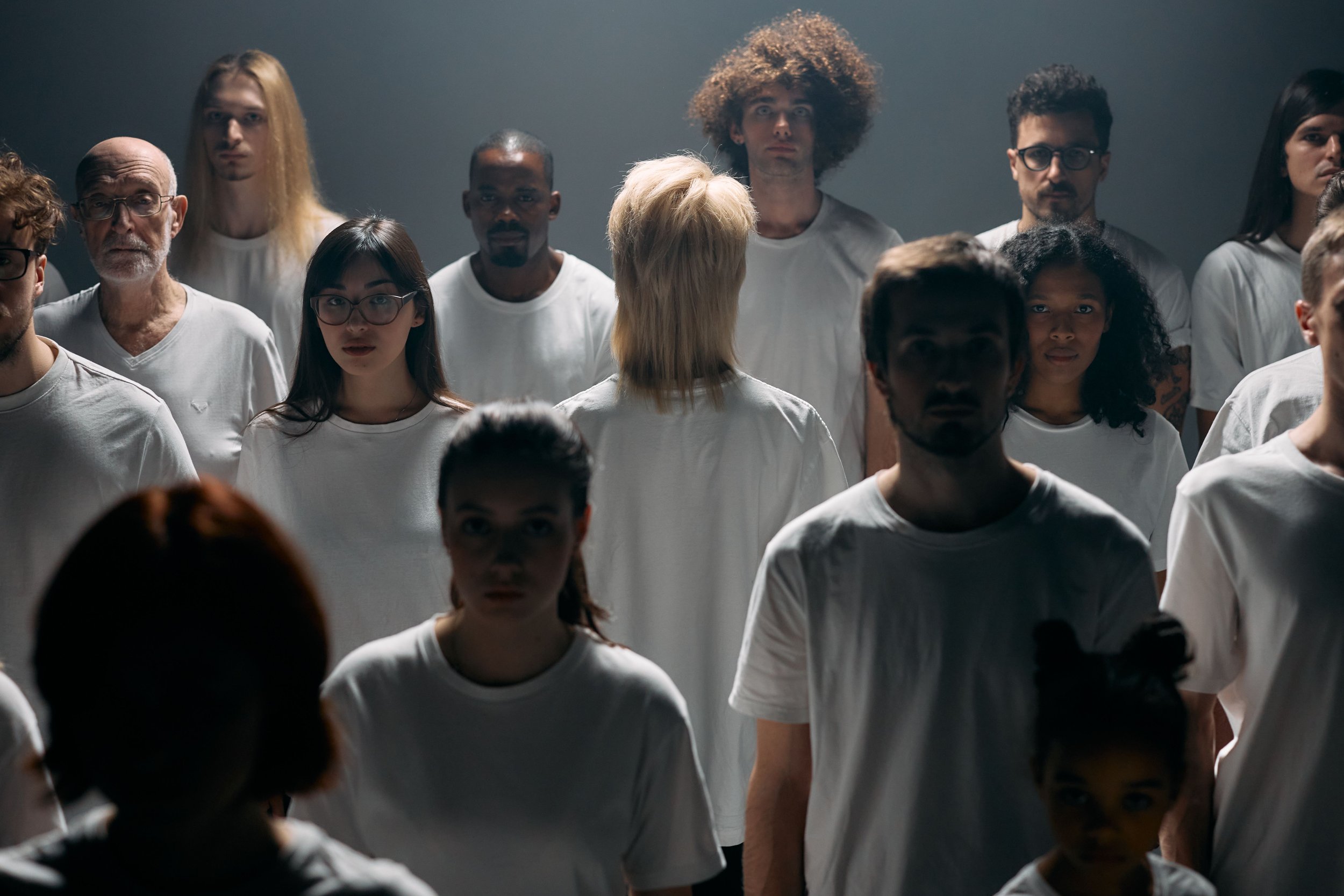
We live in a moment where outrage is currency.
It drives clicks, views, engagement, influence. Entire systems are built on it.
One image. One clip. One headline. One “Gotcha.”
“Look at this. You should be outraged.”
And when we are… we stay engaged. We hand our attention, focus, and dollars to those who upset us most. We’re bought and paid for — and never notice.
Part 7: The Tools That Shape Us (3 of 3)
If the first tools shape desire…
This one shapes identity.
The Comparison Engine
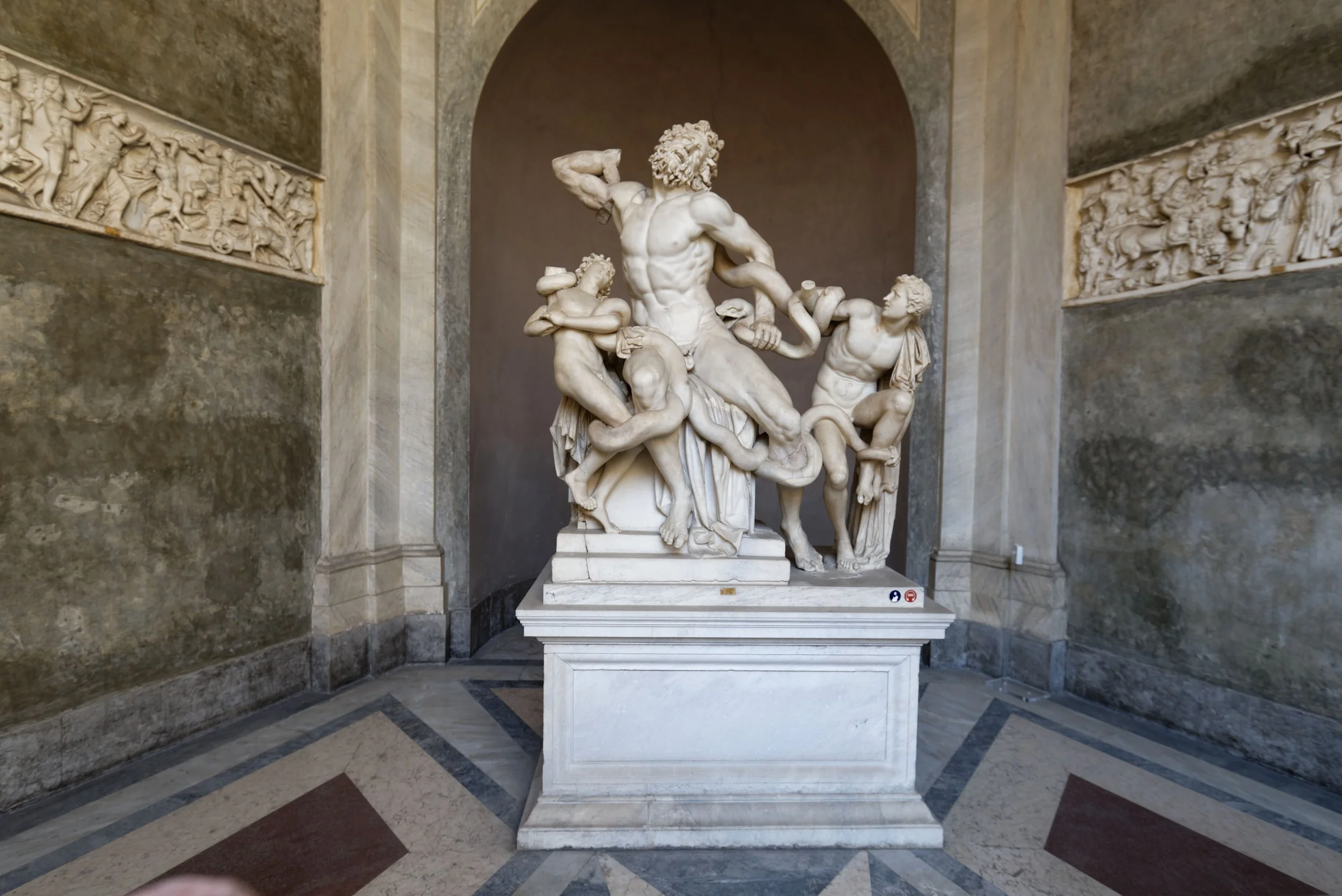
Pride of Life is built on comparison.
Jesus captures it in a single moment when he tells the story of the arrogant Pharisee and the lowly Tax Collector. (Luke 18:10-14), NIV.
In Luke 18:10-14, the Pharisee prays, “God, I thank you that I am not like other men - extortioners, unjust, adulterers, or even as this tax collector.” Verse 11, NIV. (Italics mine).
Not just wanting to be good…
But needing to be better.
Better than him. Better than them. Better than that group. Better than that failure.
Because as long as someone is below me…I feel secure. I judge – and self-justify.
Part 6: The Tools That Shape Us (2 of 3)
If the lust of the eyes whispers:
“You need more…”
The lust of the flesh speaks from even closer:
“You need to feel better.”
From External to Internal
This is where the system moves inward.
The lust of the flesh is not primarily about what’s outside of us. It’s about what’s happening inside.
Our discomfort. Our anxiety. Our pain.
Soon, the haunting, burning question begins to lead us: “What will make this go away?”
Part 5: The Tools That Shape Us (1 of 3)
By now, we’ve seen something we can’t unsee.
A formation is taking place in the world. It is not neutral. It is not accidental. There is a strategist behind it — a “guru” shaping the system itself.
And the result of that system is a numbed heart. An anesthetized soul. Novocain for the inner life.
But numbness is not the end.
It’s the setup.
Because once the heart becomes insensitive and dull, it is much easier to guide.
How the System Moves Inward
John names the tools of the master strategist:
"The lust of the flesh, the lust of the eyes, and the pride of life…" 1 John 2:16, NIV.
This is how formation moves from outside us… to inside us, from influence… to discipleship.

Part 4: When the Heart Goes Numb.
Spiritual anesthesia is more than a metaphor. When conscience goes quiet and sensitivity to God’s Spirit dims, something dangerous happens: we start craving sensation just to feel something. Anything.
And that opens a door.
And the spiritual formation guru is standing right behind it, offering experiences and pleasures that season life with zest and comfort. Cunningly, he leverages our fear and insecurity against us and forms us through lust and fear rather than grace and truth.
A guidance system that operates through lust and fear shapes us into puppets. And the one pulling the strings is only too happy to destroy us from the inside out.
Destruction follows that door.
We’re discipled for death.
And most of us don’t even realize we’re headed for slaughter.

Part 3: The Guru behind spiritual formation in the world.
If you’re a fan of conspiracy theories, here’s one that dwarfs them all:
The world itself is a discipleship engine.
And behind it is a blinding, guiding influence shaping its direction.
The goal?
To keep people from seeing the light of the gospel of Christ. (2 Cor. 4:4b).
Because if that light breaks through…
Everything changes.
So the system is designed to immunize people against truth.
Not always by rejecting it outright.
But by:
Distracting from it
Redefining it
Dulling the appetite for it
A quiet inoculation of the soul.
And religious inoculation means giving you just enough truth to make you blind to the reality of the Gospel, subtly dulling your spiritual senses and making authentic discipleship more challenging.
This is subtle, deceptive, and nefarious. The god of this age slowly immunizes your soul with just enough twisted truth to mimic the look and feel of the authentic gospel of God’s grace. He’s an expert at creating a spiritual mirage that looks and feels inviting – and crafty enough to convince you that the mouthful of sand is really refreshing. Blind to the Gospel.
And to the guru behind the world’s discipleship machine.

Part 2: Our First Classroom and Beyond.
The World Is a Disciple-Making Machine
Formation doesn’t stop at our family’s door.
Take a step outside and look around. This world is not neutral. It is a disciple-making machine – and it never powers down.
It is full of voices competing for your formation:
Media tells you what to want. Culture defines what success looks like. Social systems train your instincts. Relationships reinforce — or quietly undermine — your sense of belonging and worth.
Each one whispers the same invitation, “Become like me.”
Not loudly. Not always obviously. But persistently. And over time, those whispers become instincts. Those instincts become identity.
They want to mold or shape you in their image…
so that you will be like them.