
Part 8: The New Formation (1 of 2)
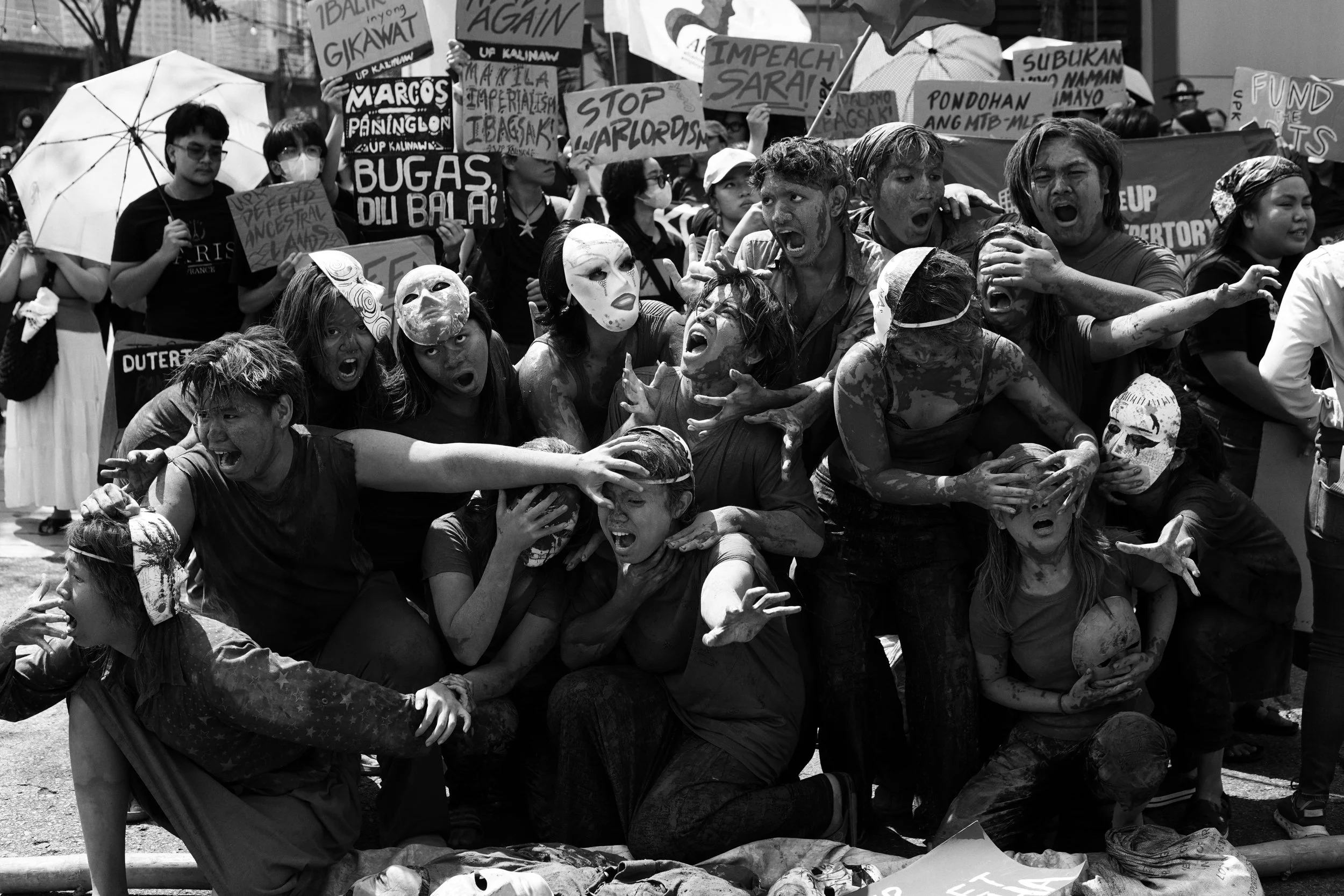
Discipled by Outrage
By now, we’ve traced the pattern.
There is a formation happening in the world. There is a strategist behind it. And tools are shaping us:
Lust of the eyes → what we see
Lust of the flesh → what we feel
Pride of life → who we believe we are
But what happens when all three come together… and ignite?
You get something new. Something powerful. Something everywhere.
👉 Outrage
A Culture Fueled by Outrage
We live in a moment where outrage is currency.
It drives clicks, views, engagement, influence. Entire systems are built on it.
One image. One clip. One headline. One “Gotcha.”
“Look at this. You should be outraged.”
And when we are… we stay engaged. We hand our attention, focus, and dollars to those who upset us most. We’re bought and paid for — and never notice.
Outrage Is Not the Problem
We need to say this clearly.
Outrage itself is not wrong. Some things in this world are always wrong and should provoke a response.
Injustice. Cruelty. Abuse. Predatory leaders. Evil masquerading as light. Racism.
Remember, a numb heart feels nothing. The less we feel, the less we notice.
Those who manipulate our emotions know this. That’s why their shouts and emotional intensity are increasingly extreme. If bad news doesn’t upset us, “Existential Threats” might.
When Outrage Becomes Formation
Let’s be clear: The issue is not outrage.
The issue is what outrage forms in us.
Because emotional outrage rarely travels alone. It comes with something else:
“I’m right… and I’m better than you.”
The Rise of Moral Superiority
Outrage carries a subtle companion: self-righteousness.
“I see clearly”
“You are blind”
“I’m awake”
“You’re deceived”
And suddenly… outrage is no longer about truth.
It becomes about identity.
Identity Rooted in Opposition
Here’s where it deepens.
We are no longer just reacting to issues.
We are being formed into people whose identity is: “What I stand against.”
And if you challenge that… you’re not just disagreeing.
You’re threatening identity.
Highly Resistant to Correction
This is why outrage culture is so rigid.
Because underneath it is this belief: “My feelings are my highest authority.”
And if that’s true, then:
I cannot be wrong
I cannot be corrected
I cannot repent
Because my feelings validate me.
The Formation of Enemies
And something else happens.
We stop seeing people. We start seeing enemies.
Not neighbors. Not brothers. Not people to love.
But opponents. Obstacles. Threats. Caricatures. Straw men. People reduced to their worst moment. Less than human.
The Language of Division
And with that comes a new language.
It doesn’t announce itself. It just settles in — sharp and cutting, dismissive and cynical. It labels rather than listens. It spews contempt instead of seeking understanding.
It sounds like:
“Those people.”
“You’re just a sheep.”
“You don’t get it.”
“Hater.”
Each word is like a raindrop.
I vividly remember the beginning raindrops of Hurricane Helene in Western North Carolina. They were barely worth noticing at first – though they made roads and bridges slick and treacherous. But eventually, the accumulated raindrops became a flood that washed away the very ground on which roads and bridges of connection once stood. Final
No single word destroys a relationship. But a thousand small dismissals can sweep away a bridge that took years to build.
A Subtle but Powerful Shift
What feels like conviction… is often formation.
What feels like clarity… is often conditioning.
What feels like righteousness… may actually be something else entirely.
We become the very thing we despise most in our enemies. Rigid. Self-righteous. Closed to correction. Crusaders on a mission. Destructive. Warped in identity.
A Quiet Invitation
Sit with this:
Where do you see this in your own life?
What provokes an immediate reaction in you?
Where do you feel morally superior?
Where are you resistant to correction?
Has outrage shaped your language? How do you see those you disagree with?
Because outrage doesn’t just express something. It forms something.
The Story So Far
👉 The master guru wields outrage to manipulate our emotions
👉 Intense outrage leads to a profound sense of moral superiority
👉 Identity forms in opposition to the people and situations that provoke us
👉 Outrage identifies enemies and dehumanizes them
👉 We become the very thing we despise most about our “enemies”
In Part 9, we’ll encounter how outrage creates a culture of victims who firmly believe: “If you make me upset, then you must change so I’ll feel better.” It’s called codependency — on a cultural level. And it’s an epidemic today.
This series is based on a Sunday message by Ed Khouri, delivered February 8, 2026, at New Life Church in Taylorsville, NC. © Copyright Ed Khouri, 2026. All rights reserved. Ed Khouri is an ordained minister, author, and international trainer with Equipping Hearts for the Harvest. Learn more at equippinghearts.com.